

Temperature management in Visakhapatnam
Cooling the Jewel of the East Coast: Practical Strategies to Beat the Heat in Visakhapatnam
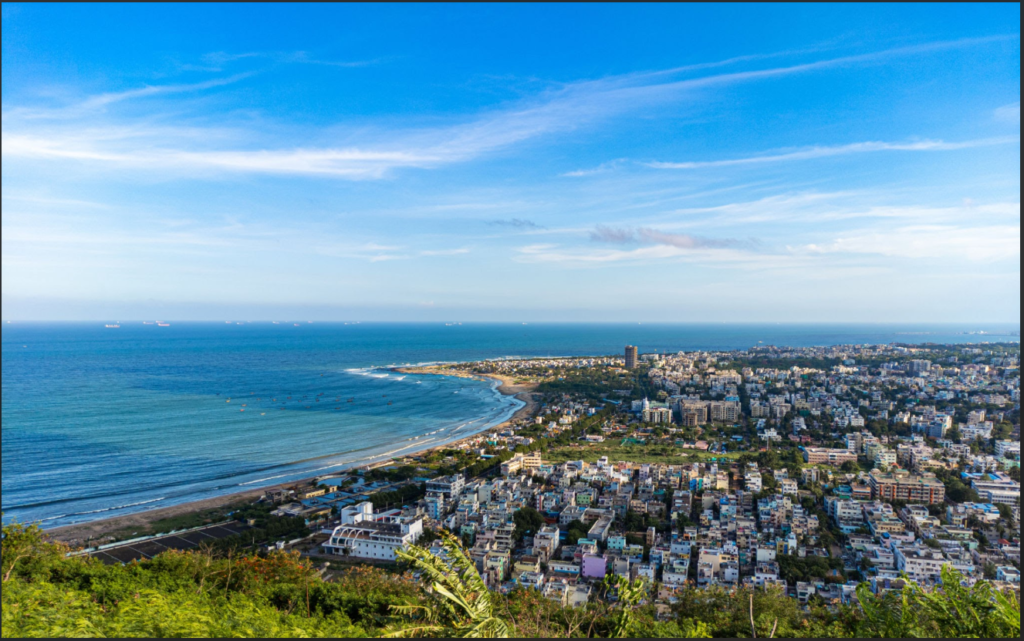
Visakhapatnam, our beautiful City of Destiny, is feeling the heat. While we enjoy a unique coastal climate, rapid urbanization and industrial growth have trapped us in an “Urban Heat Island” (UHI) effect. Concrete absorbs the sun’s energy, and our natural topography—flanked by hills—sometimes traps that heat, reducing the cooling relief of the sea breeze.
With temperatures in densely built-up areas running 2°C to 4°C hotter than the outskirts (and nighttime cooling significantly delayed), it is time for practical, city-wide interventions to keep Vizag cool, breathable, and livable.
1. Expanding the Green Canopy
Trees are our most powerful, natural air conditioners. Through evapotranspiration and the sheer physical barrier of shade, they can drastically drop local surface temperatures.
- Cultivating Micro-Forests and Gardens: Transforming vacant plots, community spaces, or even expanding personal garden spaces to a quarter or half an acre can significantly reduce neighborhood heat. A dense patch of 50 to 60 trees acts as a powerful local cooling sink.
- Native and Broad-Leaf Species: Planting shade-giving native trees like Banyan, Neem, and Peepal along avenues and industrial buffers is much more effective for thermal comfort than planting decorative palms.
- Vertical Greenery: For dense, highly-paved areas like Waltair Uplands or Gajuwaka, growing creepers on walls and maintaining rooftop gardens reduces the thermal load on buildings by up to 2°C, actively protecting the concrete from baking in the afternoon sun.
2. The Power of Passive Cooling & Cool Roofs
We cannot simply rely on air conditioners, which pump hot exhaust back into the city streets. We need buildings that don’t trap heat in the first place.
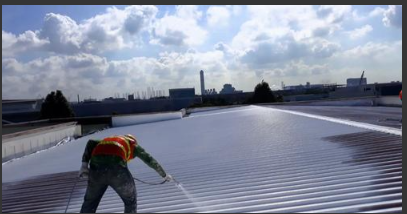
- White and Reflective Surfaces: Treating rooftops with highly reflective white paint or traditional lime-coating increases the “albedo” (reflectivity) of the surface, bouncing solar radiation back into the atmosphere before it can be absorbed. This simple, cost-effective fix can drop indoor temperatures significantly and reduce electricity bills.
- Cross-Ventilation Design: Encouraging building designs that allow the natural sea breeze from the Bay of Bengal to flow through, rather than blocking wind corridors with continuous, unventilated concrete walls.
3. Reviving Blue-Green Infrastructure
Moisture and permeable surfaces are essential for pulling heat out of the air.
- Permeable Pavements: Replacing solid asphalt in parking lots and residential walkways with permeable pavers allows rainwater to seep into the ground. When the sun hits, this trapped moisture evaporates, naturally cooling the surrounding air.
- Protecting Natural Water Bodies: Maintaining and desilting local lakes and holding ponds does more than prevent flooding. Water bodies absorb daytime heat and create cooling micro-breezes that spread to adjacent neighborhoods.
4. Community-Driven Action
Cooling the city is a collective effort. From large-scale industrial commitments to individual households choosing sustainable building materials, every square foot matters. Cultivating our own green spaces, participating in local plantation drives, and making smart choices about how we build and pave will dictate the city’s future climate.
Vizag’s future is bright, but it doesn’t have to be sweltering. By embracing nature-based solutions and smart urban design, we can preserve the comfort and charm of our coastal home.
Here are a few more high-impact points focused specifically on scaling up plantation efforts, which you can seamlessly integrate into your blog:
5. Scaling Up Personal and Community Plantations
- Aiming for Long-Term Milestones: True urban cooling requires sustained effort rather than one-off plantation drives. Setting ambitious personal goals—such as committing to plant and nurture hundreds of trees over a decade—builds a compounding canopy that significantly alters the local microclimate over time.
- Transforming Larger Plots into Mini-Forests: For those with access to larger tracts of land—even just plots approaching an acre in the peri-urban areas of Vizag—dedicating that space entirely to high-density planting creates a powerful local “cool island.” Strategically planting large batches of 50 to 60 saplings right before the monsoon establishes deep root systems quickly and maximizes the survival rate.
- Generational Knowledge and Shared Effort: Establishing a substantial garden or green belt is highly labor-intensive. Turning plantation into a family initiative—drawing on the experience, patience, and hard work of older generations to guide soil preparation and watering schedules—ensures the saplings survive their vulnerable first few years. This shared effort creates a lasting legacy.
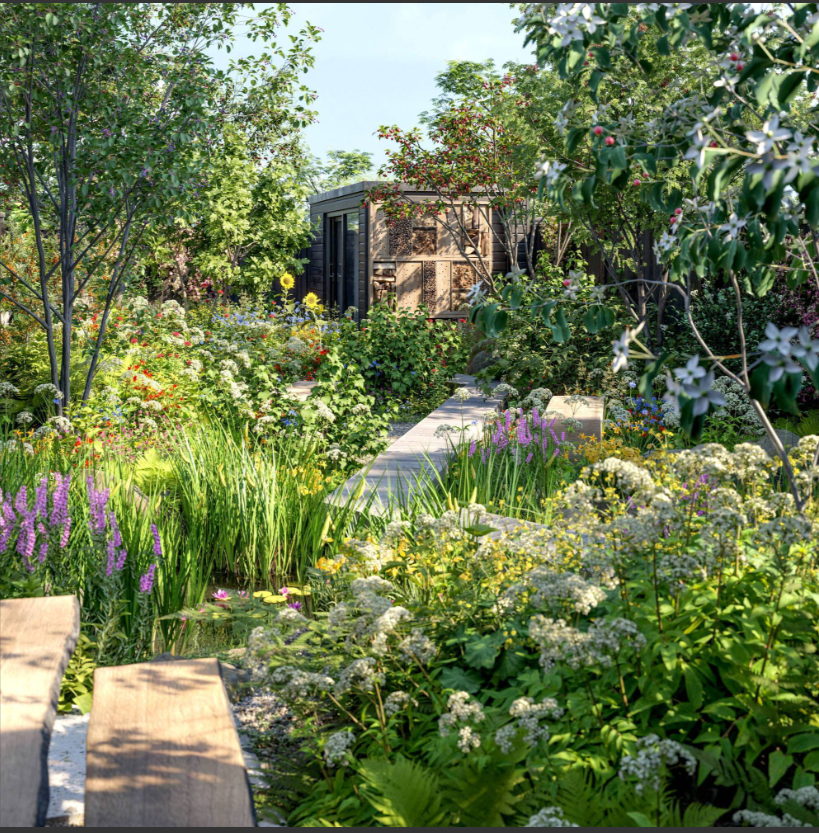
- Multi-Layered Planting: Instead of just planting tall canopy trees, mix in medium-sized fruit trees, dense shrubs, and thick ground cover. This multi-layered approach mimics a natural forest ecosystem, retains soil moisture much better during the dry coastal summers, and creates a highly effective thermal buffer against the baking sun.
Let’s do more plantation to improve the climate in Vizag city.
Thanks, and Best Regards,
Ganesh Padala